
Colosafe Bowel Cancer Screening Stool DNA Test
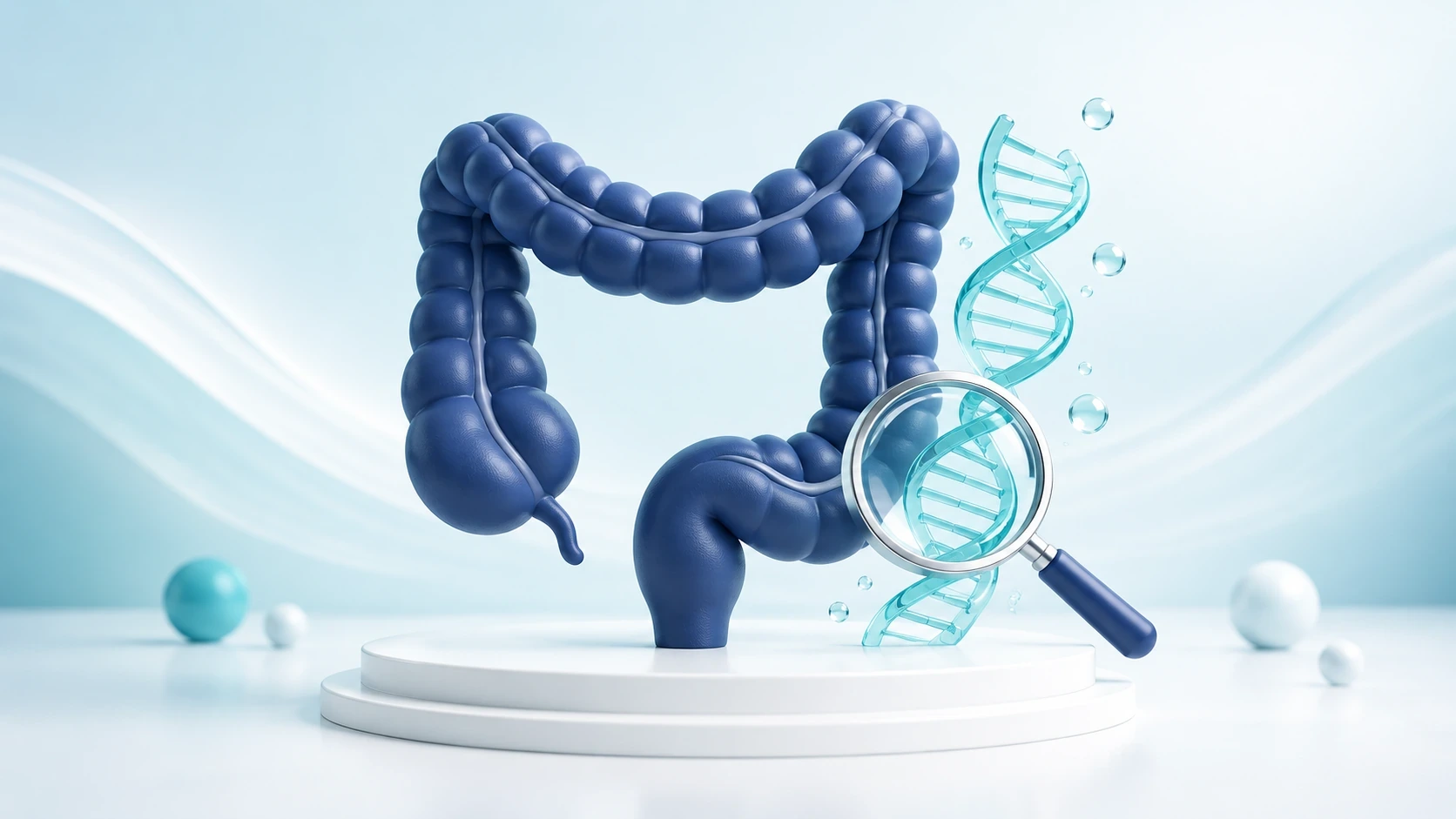
Colosafe is a non-invasive stool DNA screening test that looks for DNA changes associated with bowel cancer and some pre-cancerous bowel polyps.
Unlike FIT, which checks for hidden blood in stool, Colosafe analyses a DNA marker. This means it looks for a different signal - one that does not depend on bleeding being present in the sample.
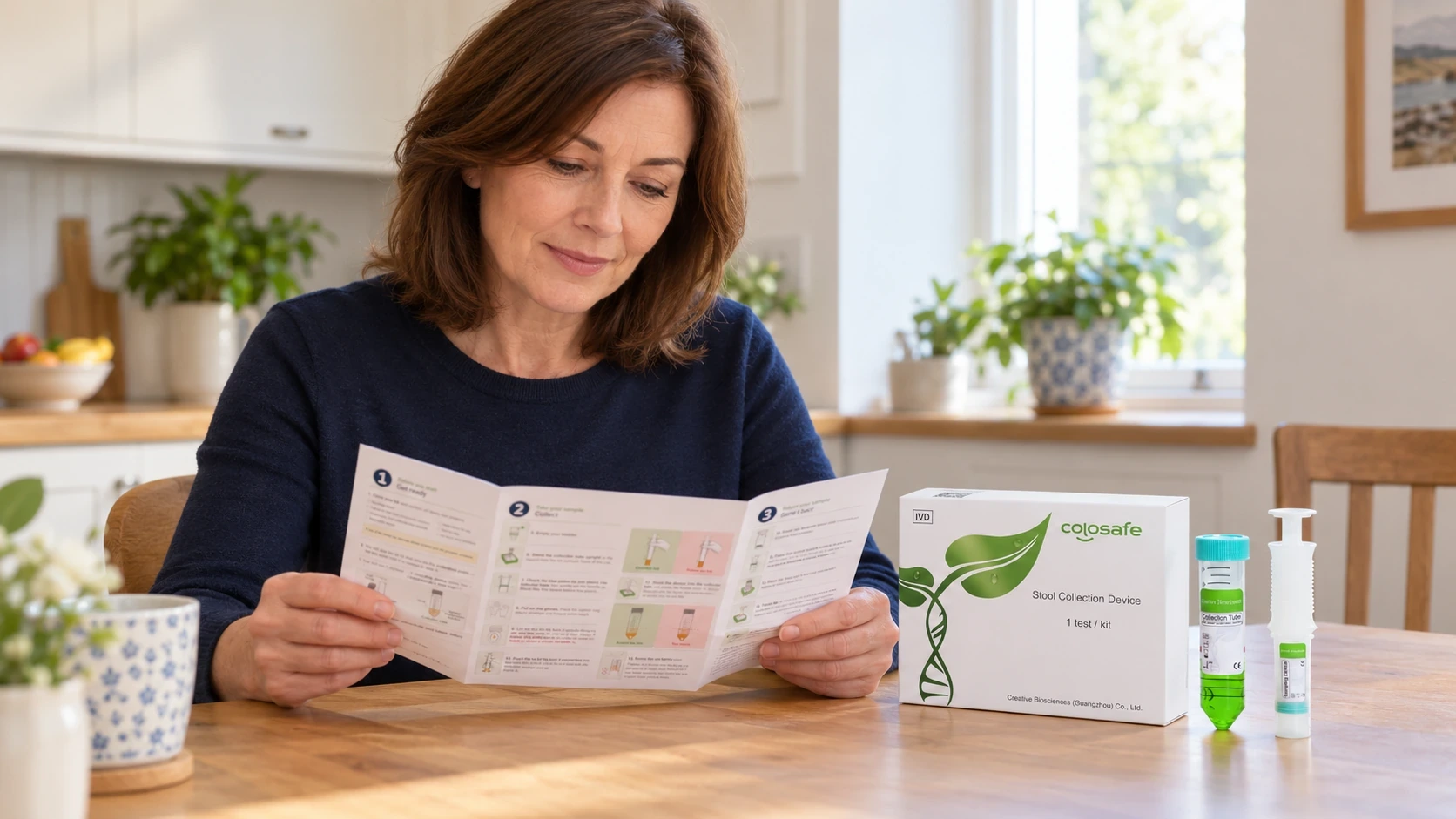
Convenient home sample collection, with no clinic appointment needed.
Order your home testing kit by clicking on the Add to Cart Button below
Colosafe Bowel Cancer Screening Stool DNA Test
Bowel cancer screening with a sample collected at home.
Colosafe is a non-invasive stool DNA test that looks for a DNA marker associated with bowel cancer and some pre-cancerous bowel polyps. You collect a stool sample at home and return it for laboratory analysis.

At-home collection
No fasting or bowel preparation.

Stool DNA analysis
Looks for methylation of the SDC2 gene.
What is Colosafe?
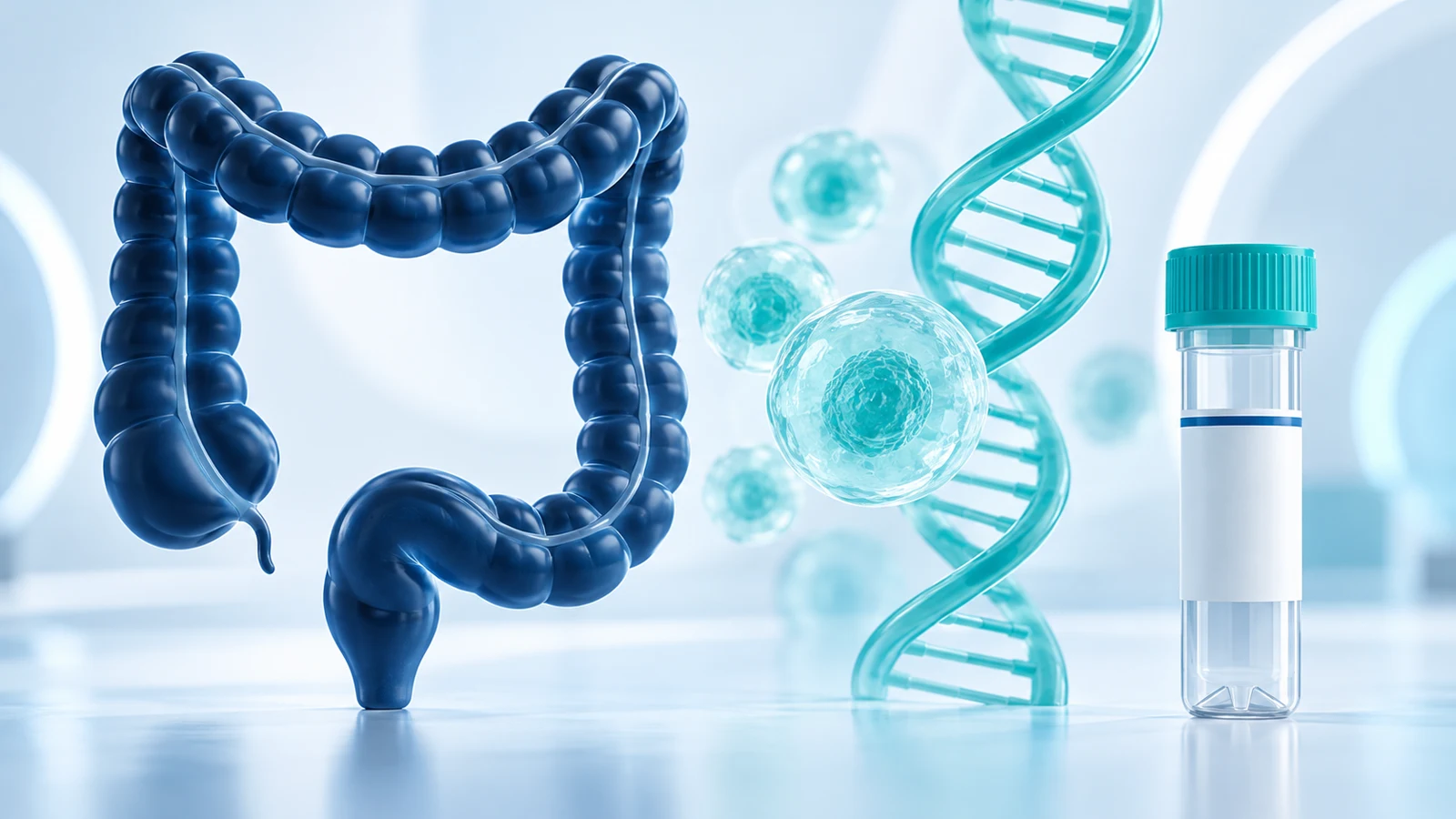
Cells from the lining of the bowel are naturally shed into stool. Colosafe examines DNA in a stool sample for a particular change, called methylation, in the Syndecan-2 (SDC2) gene.
This marker is associated with colorectal cancer and can also be found in some pre-cancerous polyps. Detecting it can help identify people who need further investigation.
In a published study, 99.8% of people with a negative result did not have bowel cancer. A positive result means a follow-up colonoscopy is recommended for further answers and early treatment if needed.
The test involves a stool sample, with no camera examination or sedation needed for sample collection.
What is DNA methylation?

DNA carries the instructions that tell our cells how to work. Methylation happens when small chemical tags, called methyl groups, attach to DNA. These tags can affect how genes work without changing the underlying DNA sequence.
Colosafe looks for a particular methylation pattern in the Syndecan-2 (SDC2) gene. This pattern is associated with bowel cancer and can also be found in some pre-cancerous bowel polyps.
Cells from the bowel lining naturally pass into stool. By analysing DNA from these cells, Colosafe can look for this marker using a sample collected at home.
Why choose Colosafe?

Convenient home testing
Collect your sample in the comfort and privacy of home, with no fasting or bowel preparation. Clear instructions guide you through each step.

Reassurance and clear next steps
A negative result can offer reassurance. A positive result means a follow-up colonoscopy is recommended for further answers and early treatment if needed.

DNA-based detection
Colosafe looks for a DNA marker associated with bowel cancer and some pre-cancerous polyps. Unlike FIT, it does not depend on hidden blood being present in your sample.

Supported by clinical research
Published studies have evaluated SDC2 methylation testing for detecting bowel cancer, including cancers at an early stage.
Clinical research: Wang et al., Clinical Epigenetics, 2020 .
Why choose Colosafe over FIT?
Both tests use a stool sample collected at home. Colosafe looks for a DNA marker associated with bowel cancer and some pre-cancerous polyps, without relying on bleeding being present. FIT checks for hidden blood.
| Test features | Colosafe | FIT |
|---|---|---|
| Convenient sample collection at home | Yes | Yes |
| Non-invasive sample collection | Yes | Yes |
| No fasting or bowel preparation | Yes | Yes |
| Sample analysed in a laboratory | Yes | Yes |
| Analyses a bowel cancer-associated DNA marker | Yes | No |
| Detection does not depend on bleeding | Yes | No |
| Advanced detection1 Higher detection of advanced pre-cancerous polyps in the cited comparative study. | Higher detection in the cited study | Lower detection in the cited study |
| Reassurance from a negative result2 In the study cited by Colosafe, 99.8% of people with a negative result did not have bowel cancer. | Reported negative predictive value described in reference 2 | No comparable figure presented |
1. Kong et al., Gastroenterology Report, 2025 . SDC2 DNA testing detected more advanced pre-cancerous polyps than FIT among participants who underwent colonoscopy. This is a study-specific comparison; FIT can also detect polyps. Performance varies with the population and test threshold.
2. Zhao et al., Gastroenterology, 2024 , as cited by Colosafe. The 99.8% figure is a reported negative predictive value relating to the study population. It is not a guarantee for every individual or a direct comparison with FIT. The dash in the FIT column means no comparable figure is presented here, not that a negative FIT result offers no reassurance. A negative result cannot completely rule out bowel cancer. Speak with your GP about persistent or concerning symptoms, even after a negative result.
Who should consider Colosafe?
Looking for a bowel health check before you qualify for BowelScreen?
Colosafe offers adults a private stool DNA testing option. It may suit people who want to take a proactive approach to their bowel health and explore testing outside the national programme. The right option depends on your age, symptoms, medical history and family history.

Adults outside the BowelScreen age range
The HSE’s free BowelScreen programme currently offers FIT testing to people aged 57–71, every two years.1 If you are outside this age range, Colosafe provides a private testing option to discuss with your GP.

Adults who want a DNA-based test
Colosafe looks for methylation of the SDC2 gene, a DNA marker associated with bowel cancer and some pre-cancerous polyps. This offers a different approach to FIT: it does not depend on bleeding being present in your sample.

People concerned about their family history
If a close relative has had bowel cancer, discuss your individual risk and testing options with your GP or consultant. Colosafe may be part of that discussion, but your family history may mean you need a specific plan, including colonoscopy.

Bowel cancer can affect younger adults
Although bowel cancer is more common in older adults, it can occur before age 50. Irish research published in 2026 found that bowel cancer incidence in adults under 50 increased between 1994 and 2021.2 Being younger does not mean symptoms should be ignored.
Have symptoms? Speak with your GP first. Blood in your stool, a persistent change in bowel habit, unexplained weight loss or persistent abdominal pain need medical assessment. A stool test should not delay this assessment, even if the result is negative.
1. HSE: BowelScreen age range and eligibility . Age range checked October 2026; eligibility may change as the programme expands.
2. O’Reilly et al., JCO Global Oncology, 2026: National Trends in Early-Onset Colorectal Cancer in the Republic of Ireland . The study examined new diagnoses using National Cancer Registry Ireland data from 1994–2021.
How does the Colosafe home test work?
-
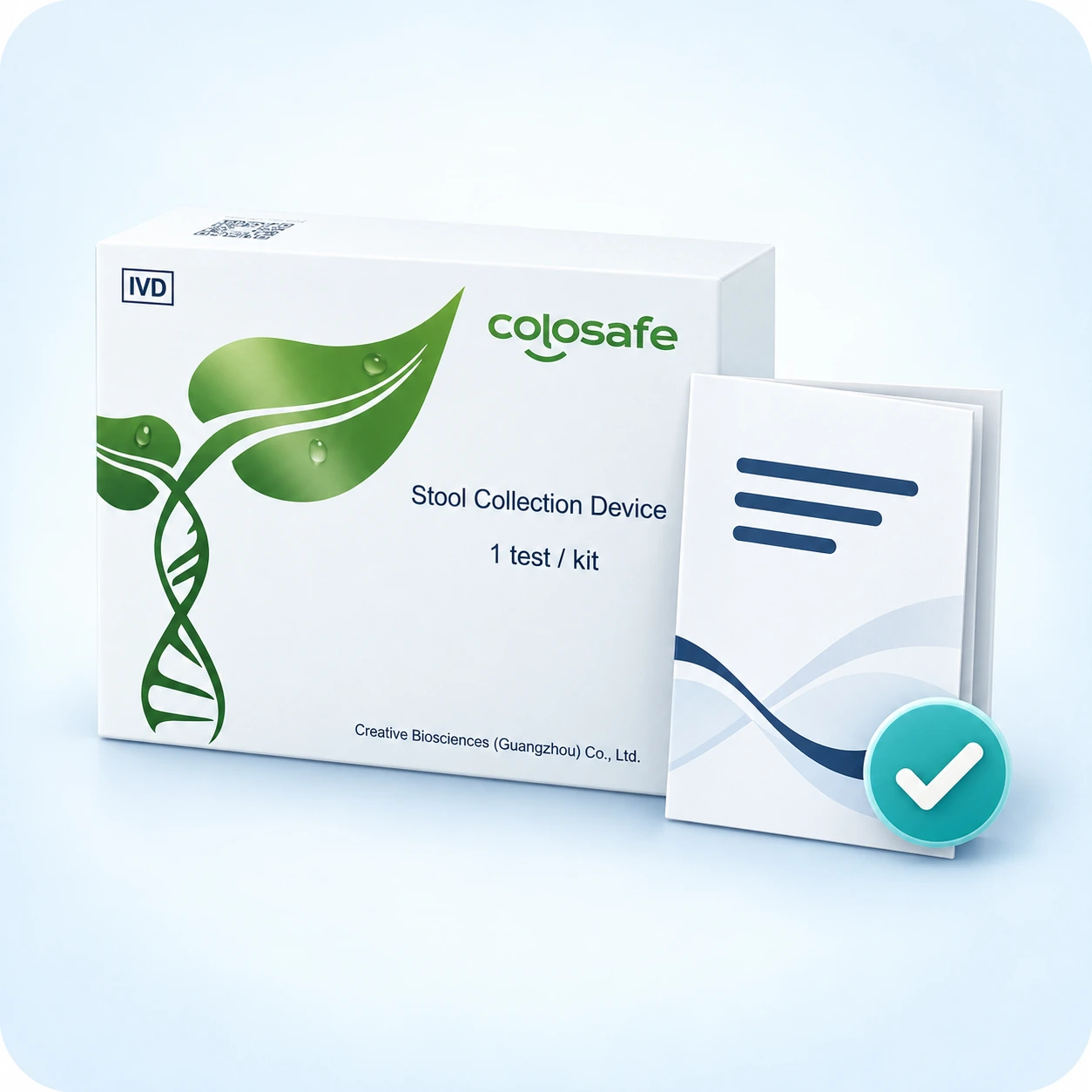
1. Get your kit
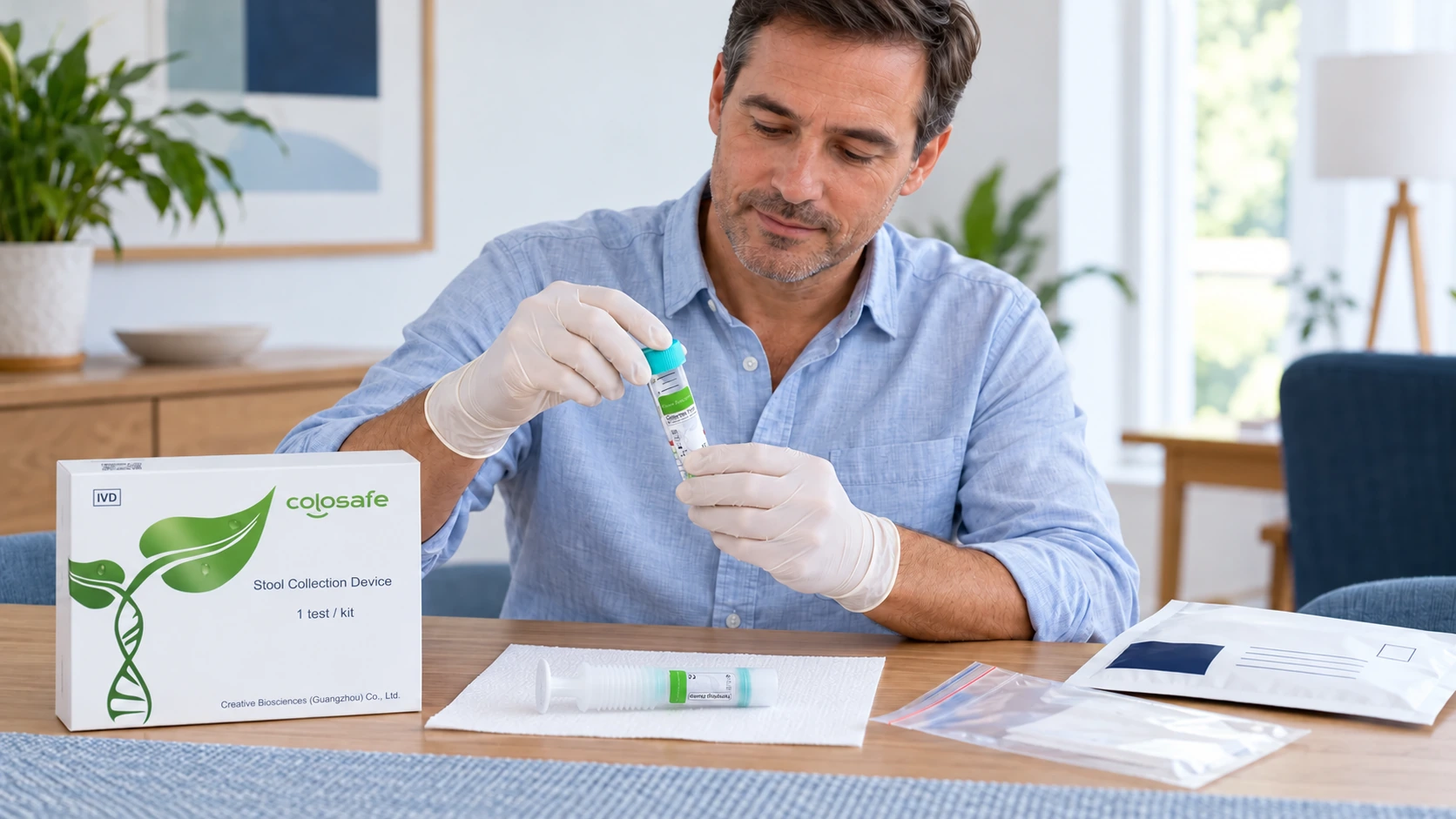
Order your Colosafe kit from GastroLife. When it arrives, read the instructions and check that all kit items are present before collecting your sample.
-
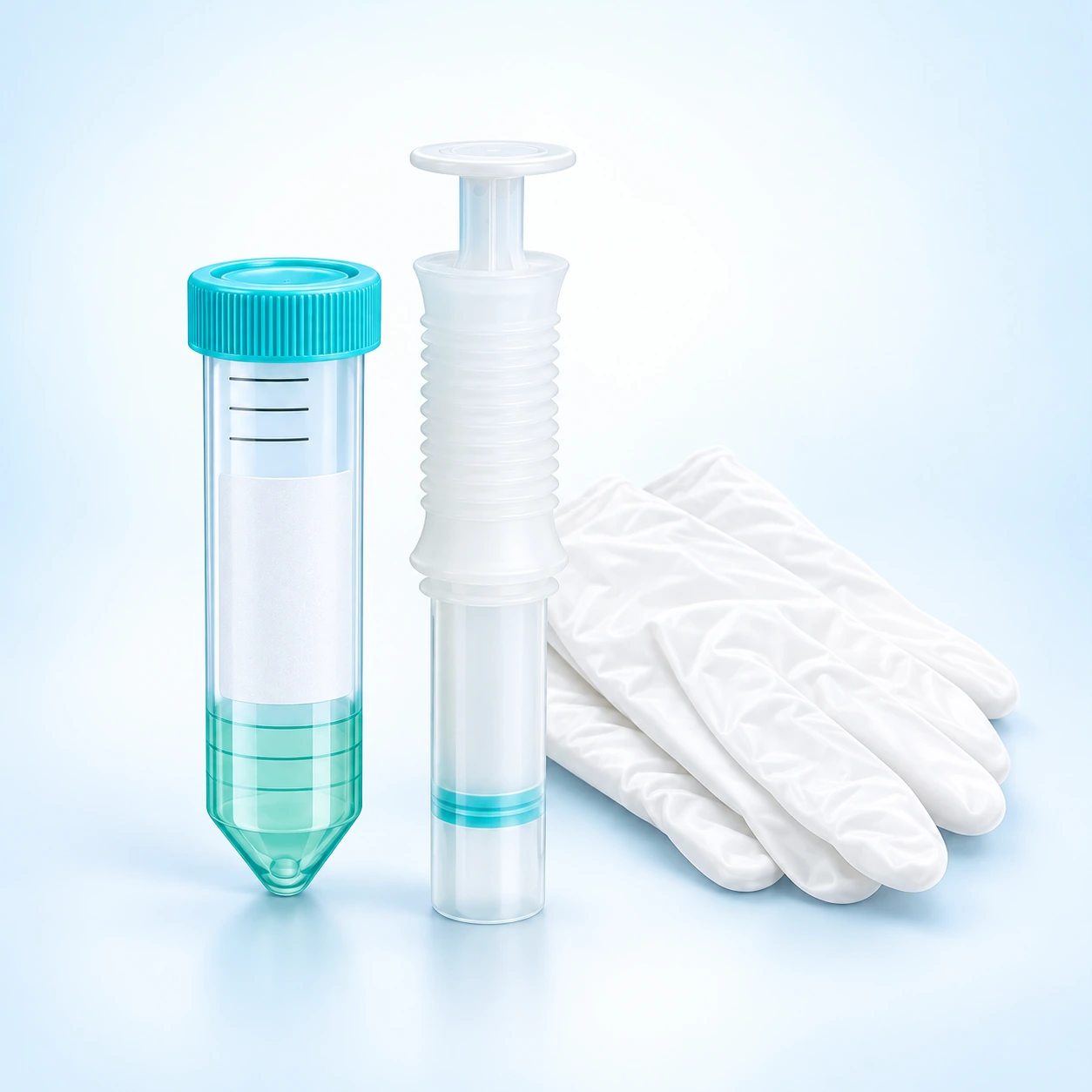
2. Collect your sample
Complete the labels and paperwork, then collect your sample using the collection carton and sampling device provided. Follow the kit instructions carefully.
-
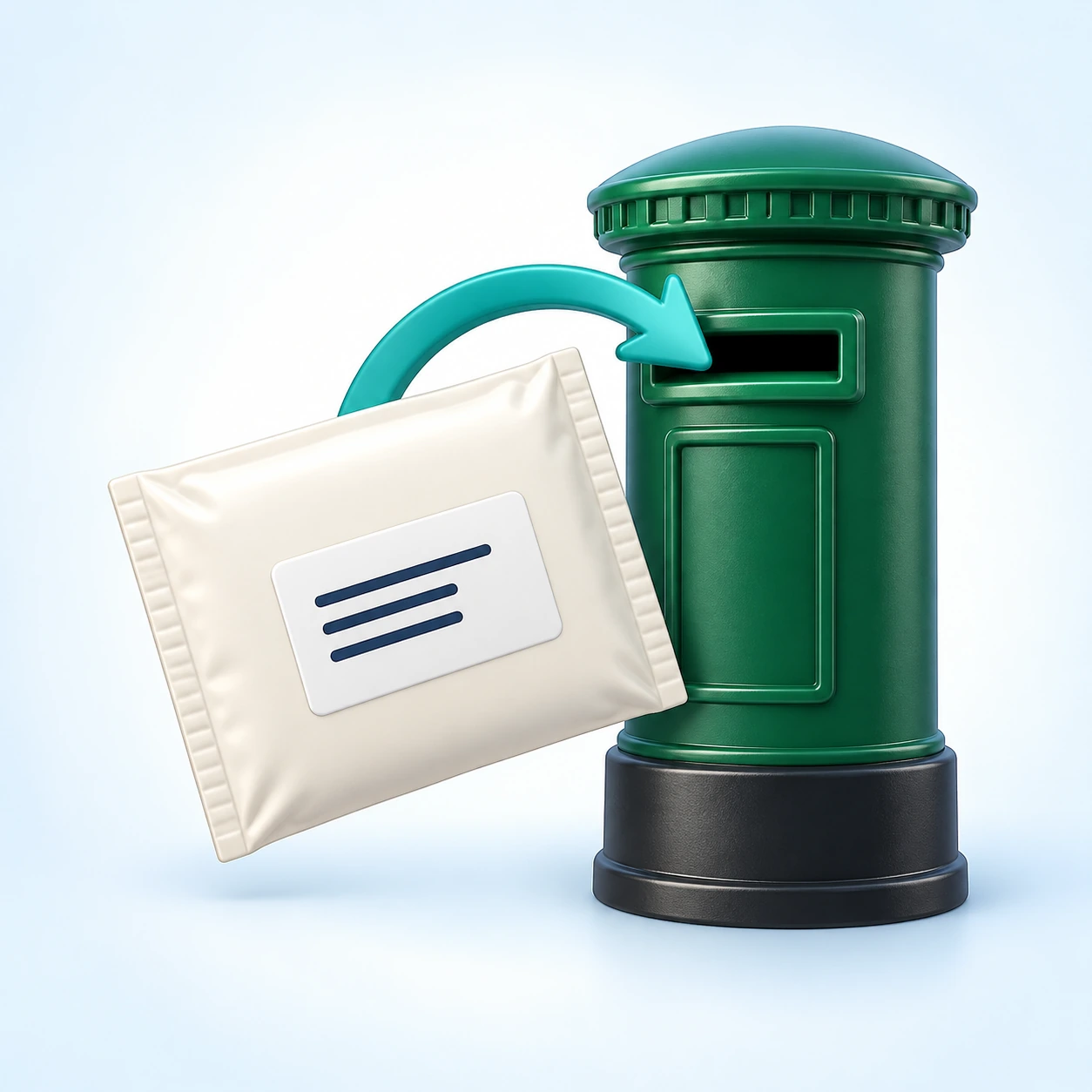
3. Return it the same day
Seal the collection tube and pack it in the ziplock bag and protective kit box as instructed. Include the completed Test Request Form and post it the same day using the supplied pre-labelled return envelope.
-

4. Review your result
Your sample is analysed in a laboratory for the stool DNA marker. Share your result with your GP or consultant, who can advise on any further investigations.
Plan your collection
Collect your sample on Monday or Tuesday only, and post it the same day using the supplied pre-labelled return envelope.
If Monday is a bank holiday, collect your sample on Tuesday and ensure it is posted that same day.
Watch the Colosafe video
What do my Colosafe results mean?
Your laboratory report will explain whether methylated Syndecan-2 (SDC2) DNA was detected in your stool sample. Here is what each result means and the recommended next steps.

Positive
DetectedMethylated SDC2 DNA was detected in your sample. This finding needs further investigation.
A positive result does not mean you definitely have bowel cancer. Discuss your result with your GP or consultant, who can arrange a colonoscopy to investigate the finding.

Negative
Not detectedMethylated SDC2 DNA was not detected in your sample. This is a reassuring result.
A negative result cannot completely rule out bowel cancer or polyps. Discuss any persistent or concerning symptoms with your GP, regardless of your result, and follow their advice about future testing.

Borderline
Close to the reporting thresholdMethylated SDC2 DNA was detected close to the test’s reporting threshold.
Colosafe recommends repeating the test in six months. Discuss your result with your GP or consultant, who can advise whether earlier investigation is appropriate based on your symptoms and medical history.
What does the research show?

A published multicentre study evaluated an SDC2 stool DNA test against colonoscopy findings in 1,110 participants. It reported the following results:
 83.8%
83.8%
Bowel cancer sensitivity
The test detected 301 of 359 bowel cancers in the study. Sensitivity describes how often a test correctly identifies people who have the condition.
 98.0%
98.0%
Specificity
Of 713 participants with a normal colonoscopy, 699 had a negative test. This figure describes how often the test correctly returned a negative result in this group.
Reference: Wang J, Liu S, Wang H, et al. Robust performance of a novel stool DNA test of methylated SDC2 for colorectal cancer detection: a multicenter clinical study. Clinical Epigenetics. 2020;12:162. Read the study.
What’s included in your Colosafe kit?
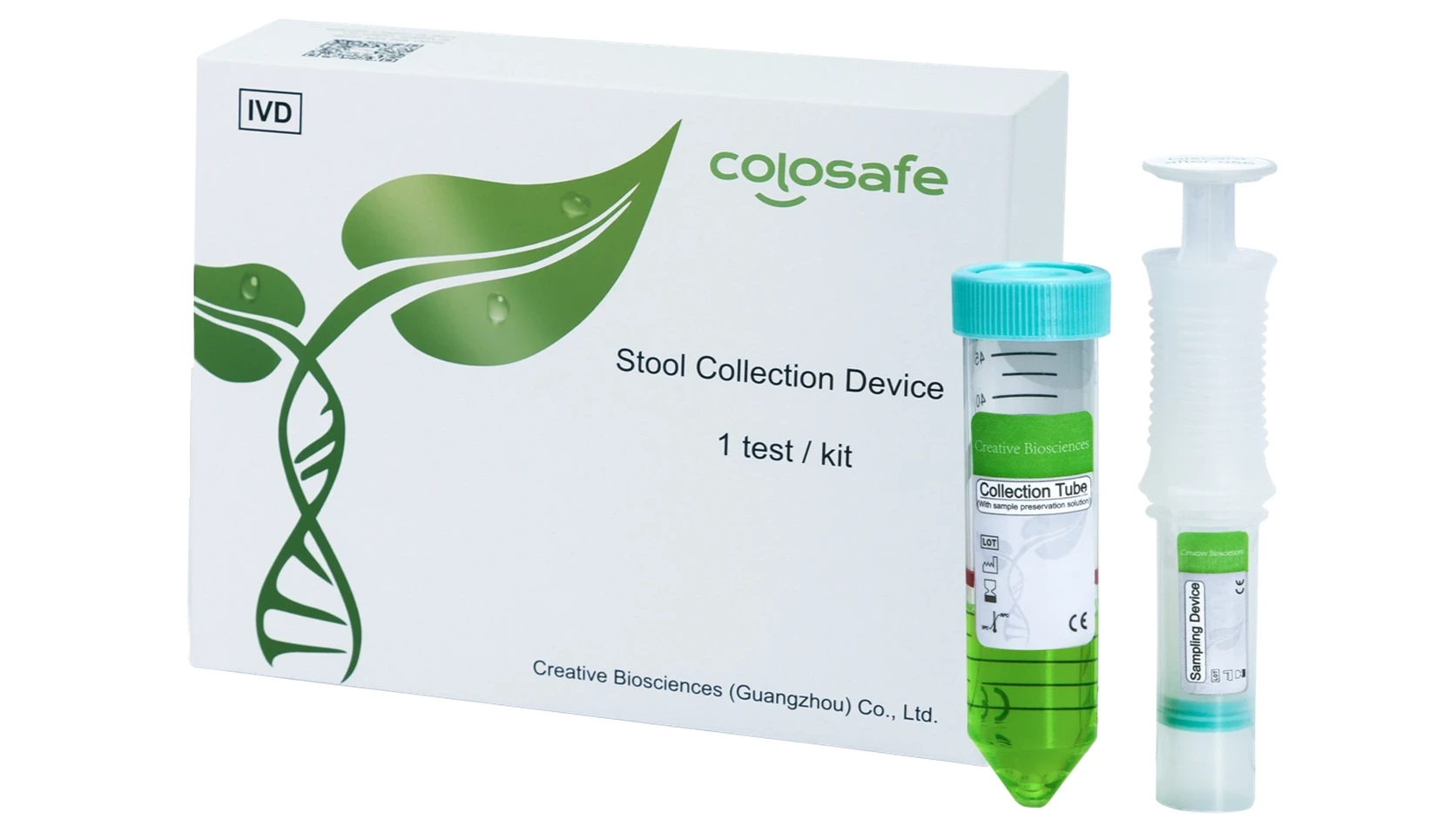
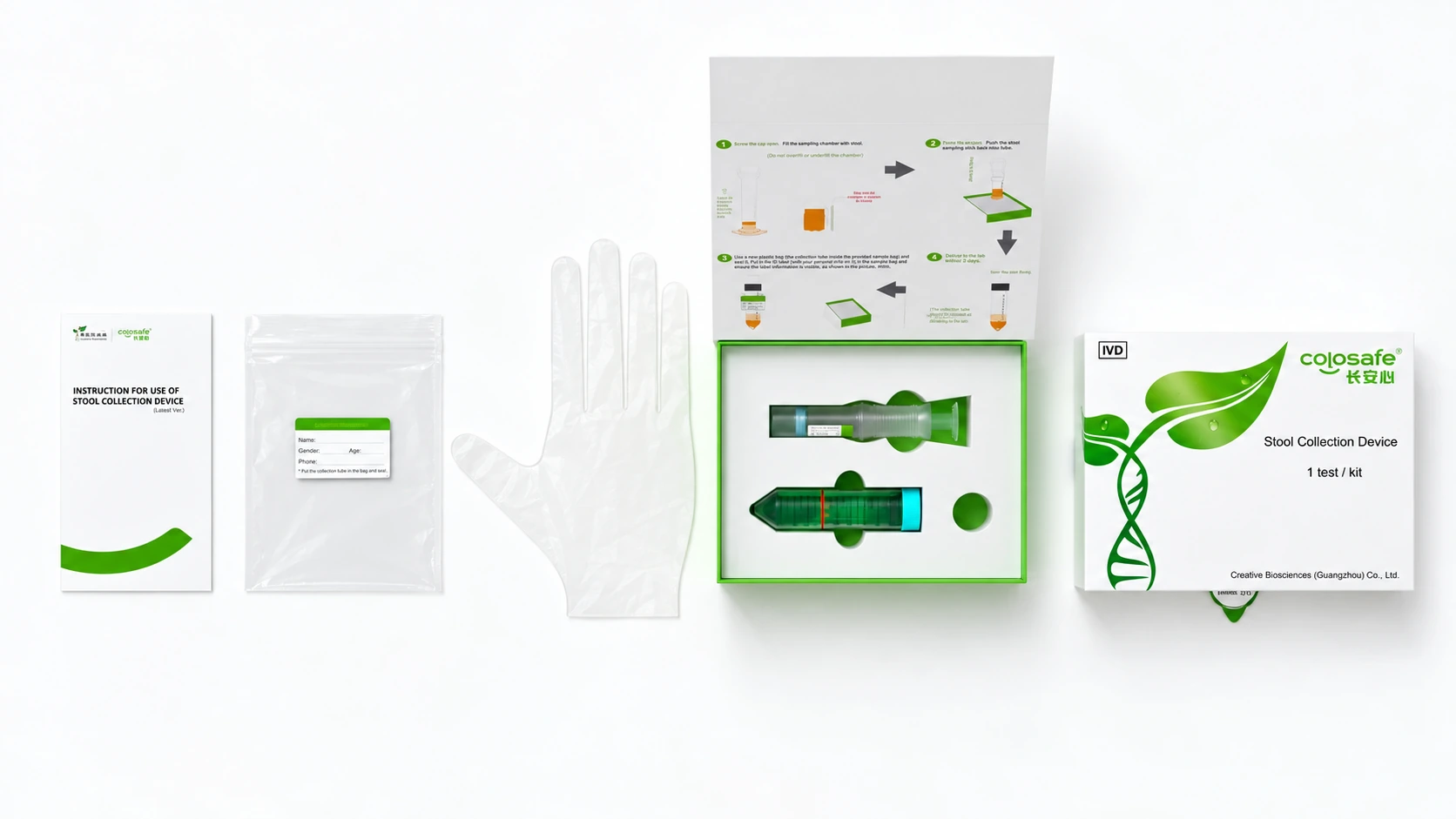
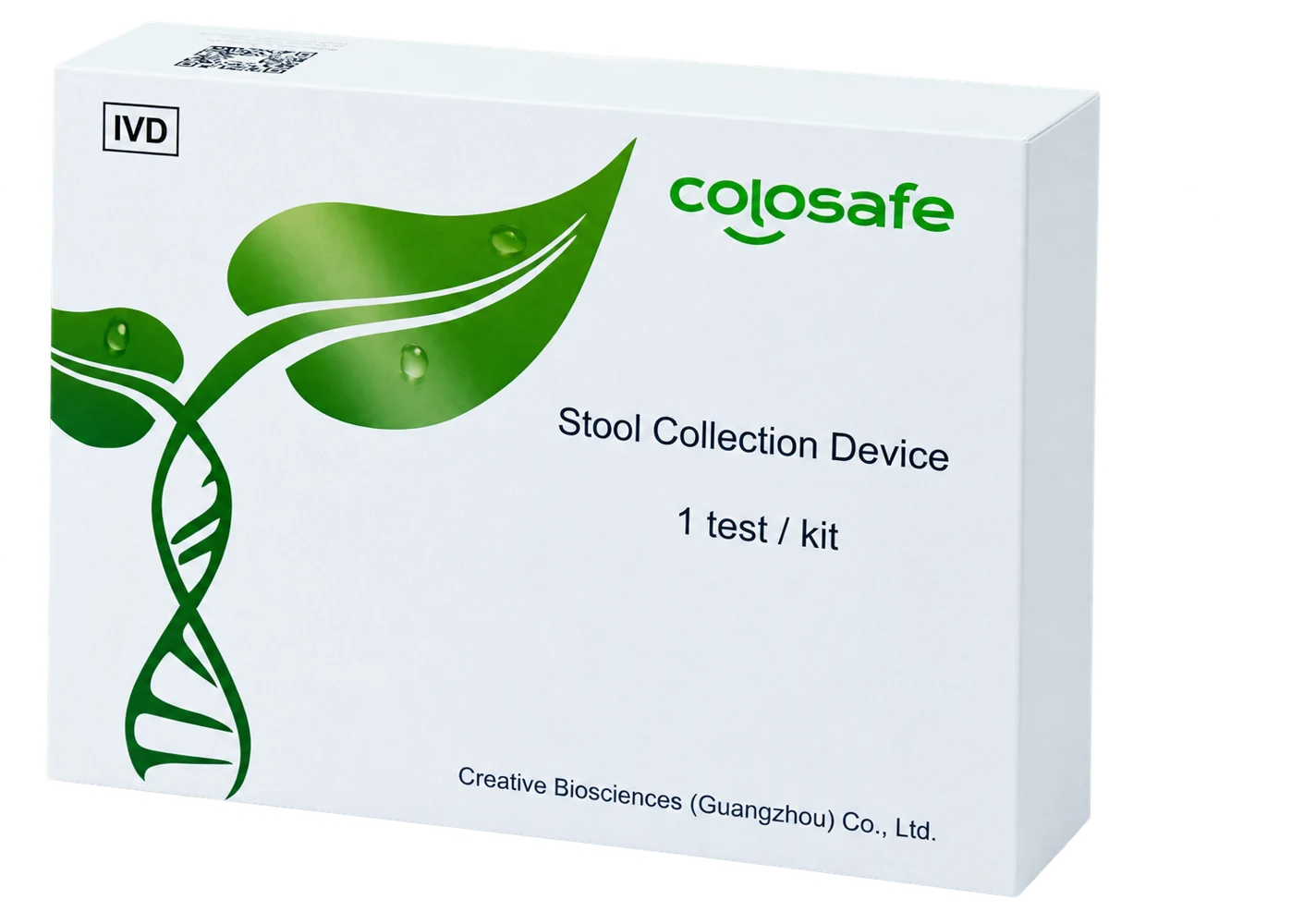
Your kit includes the items needed to collect your stool sample at home and package it for return to the laboratory.
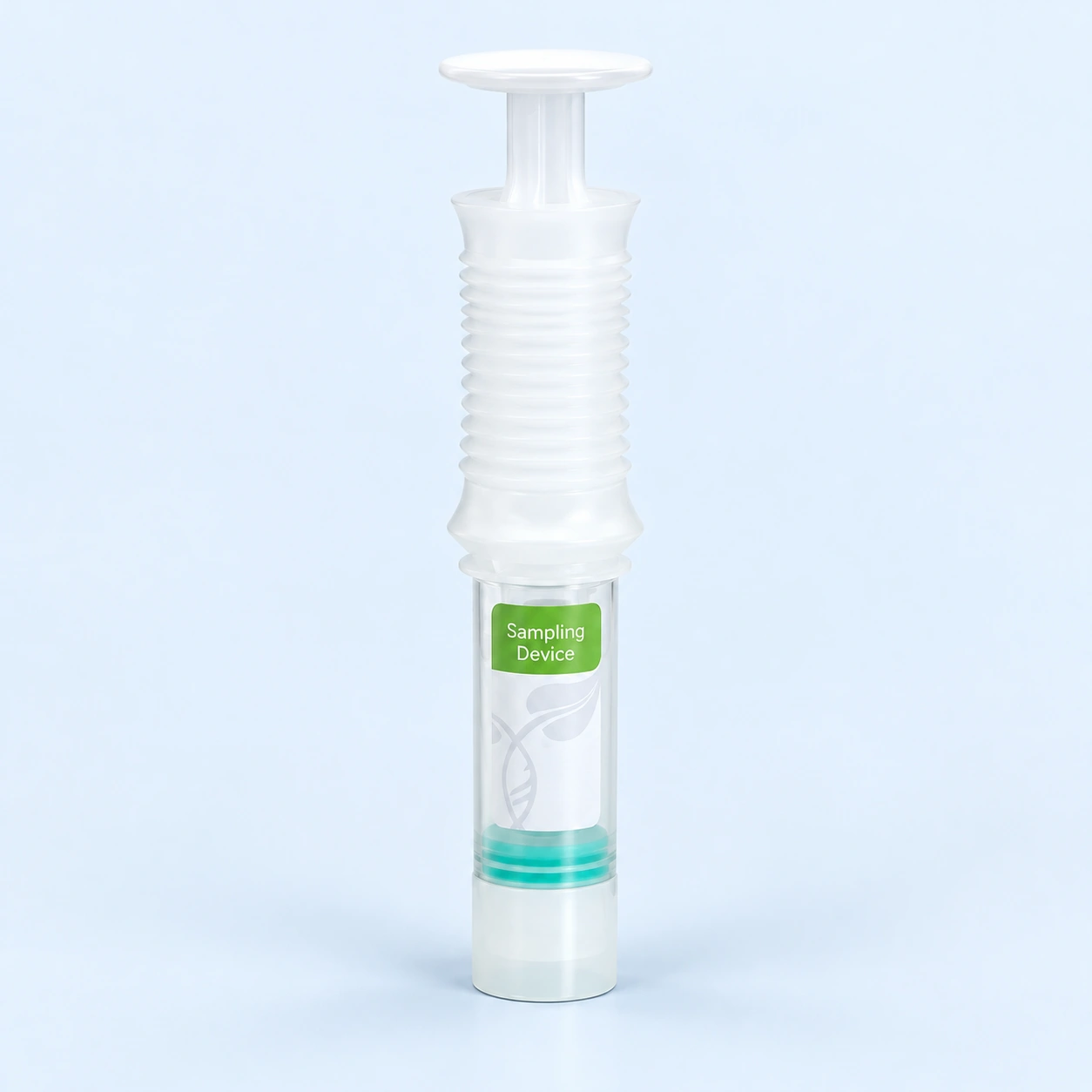
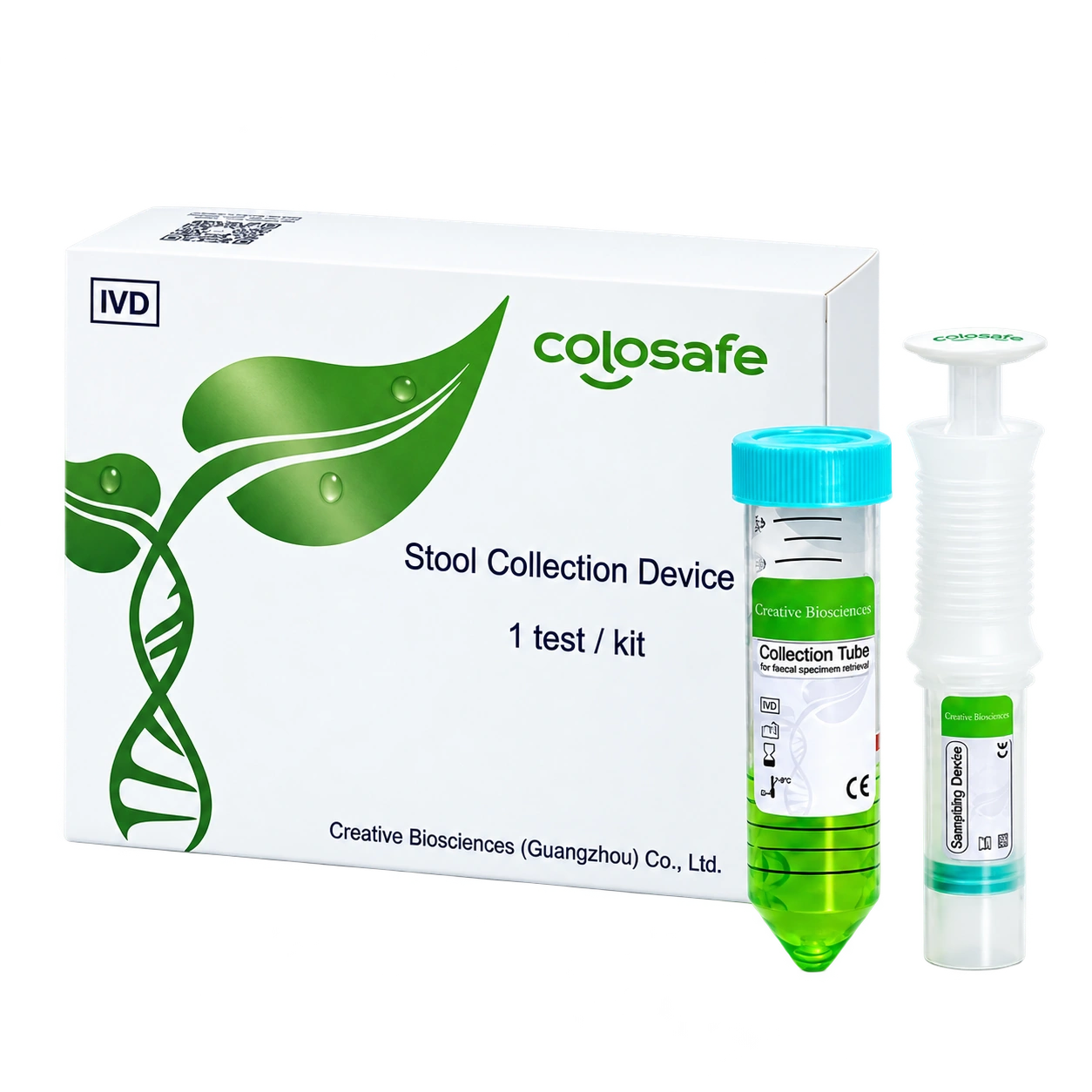
Sampling device
For collecting and transferring the stool sample, following the instructions supplied with your kit.
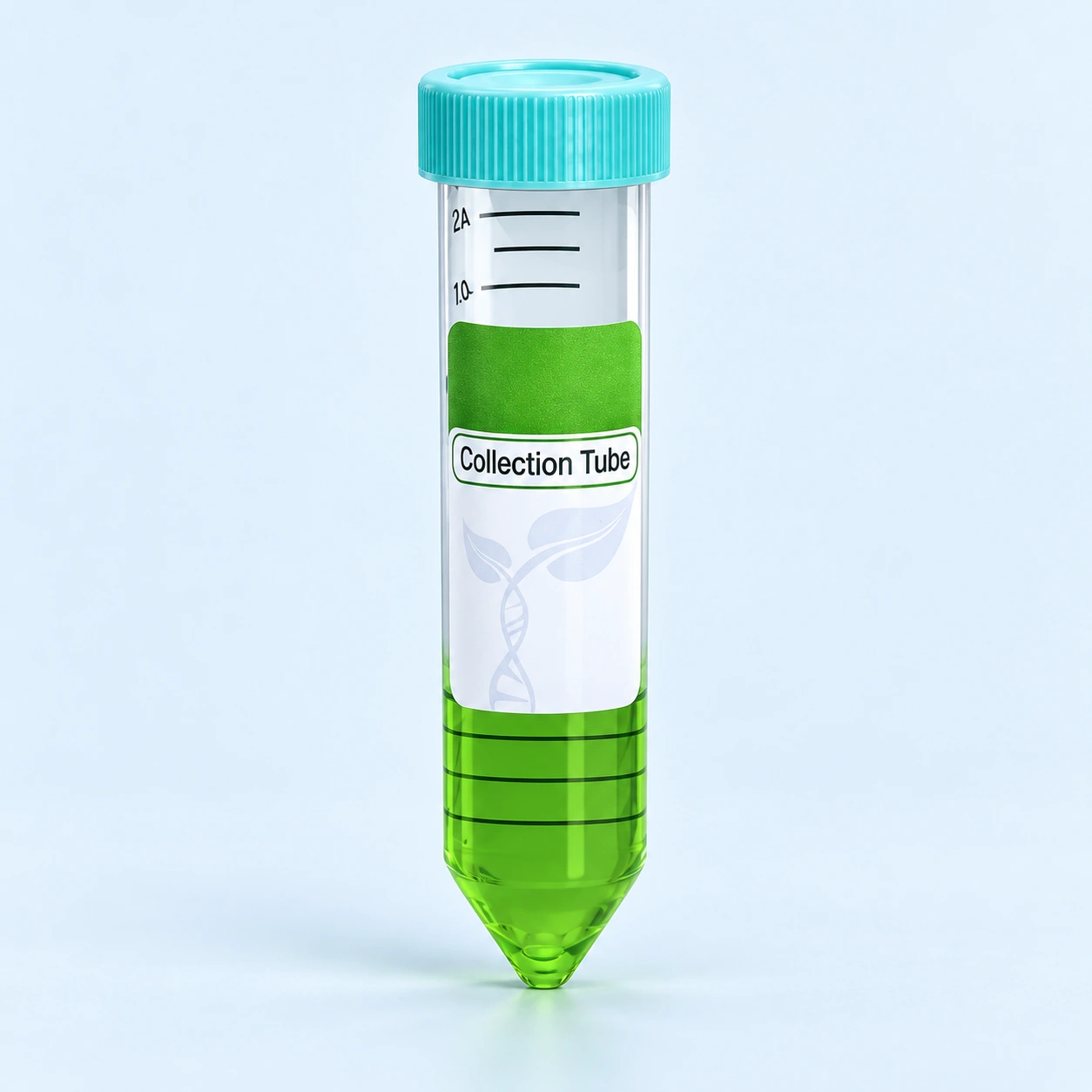
Collection tube
Contains the sample-preservation solution to protect your sample during its return to the laboratory.
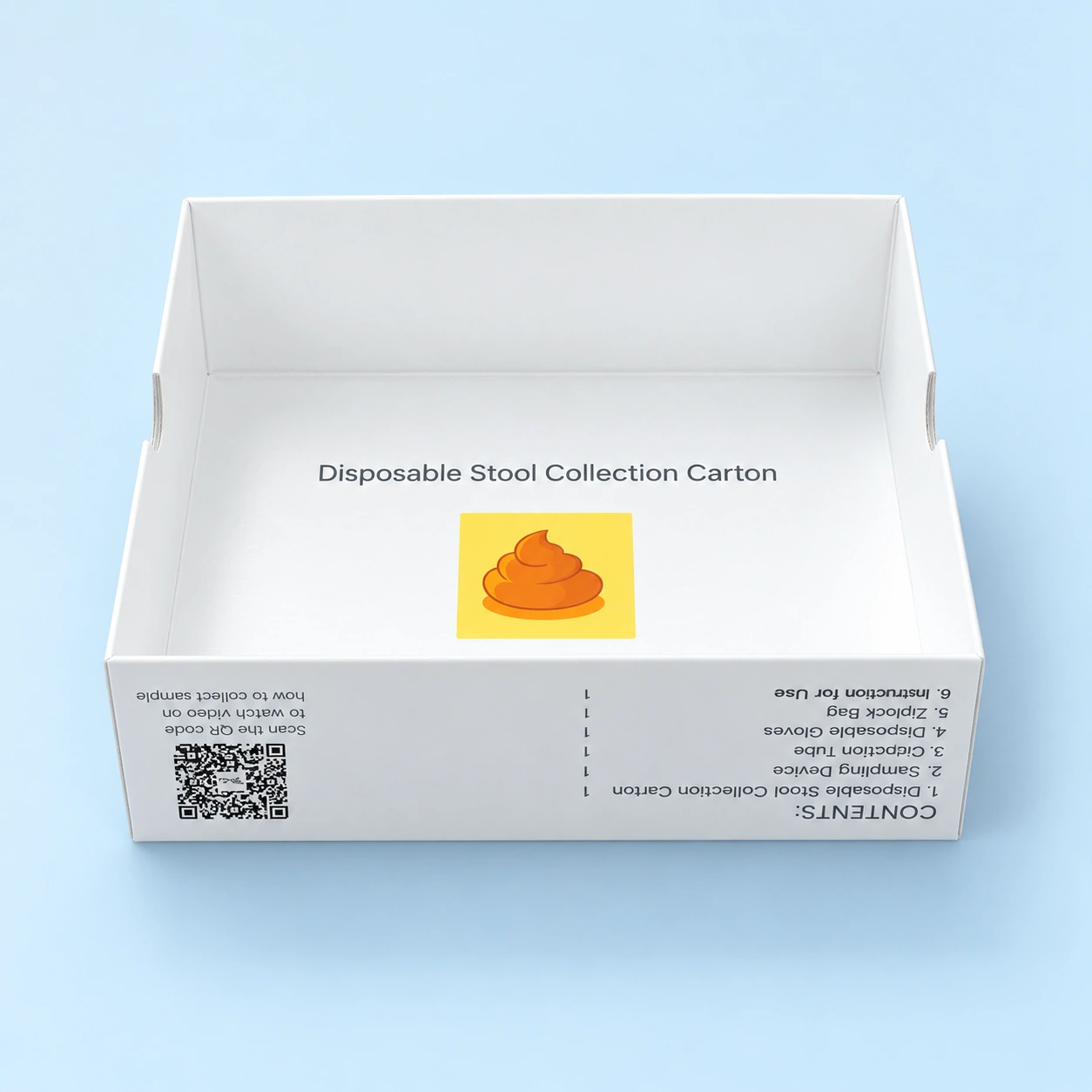
Stool collection carton
A disposable carton for collecting your stool before taking the required sample with the sampling device.

Clear disposable gloves
Disposable gloves to wear while collecting and handling your sample.
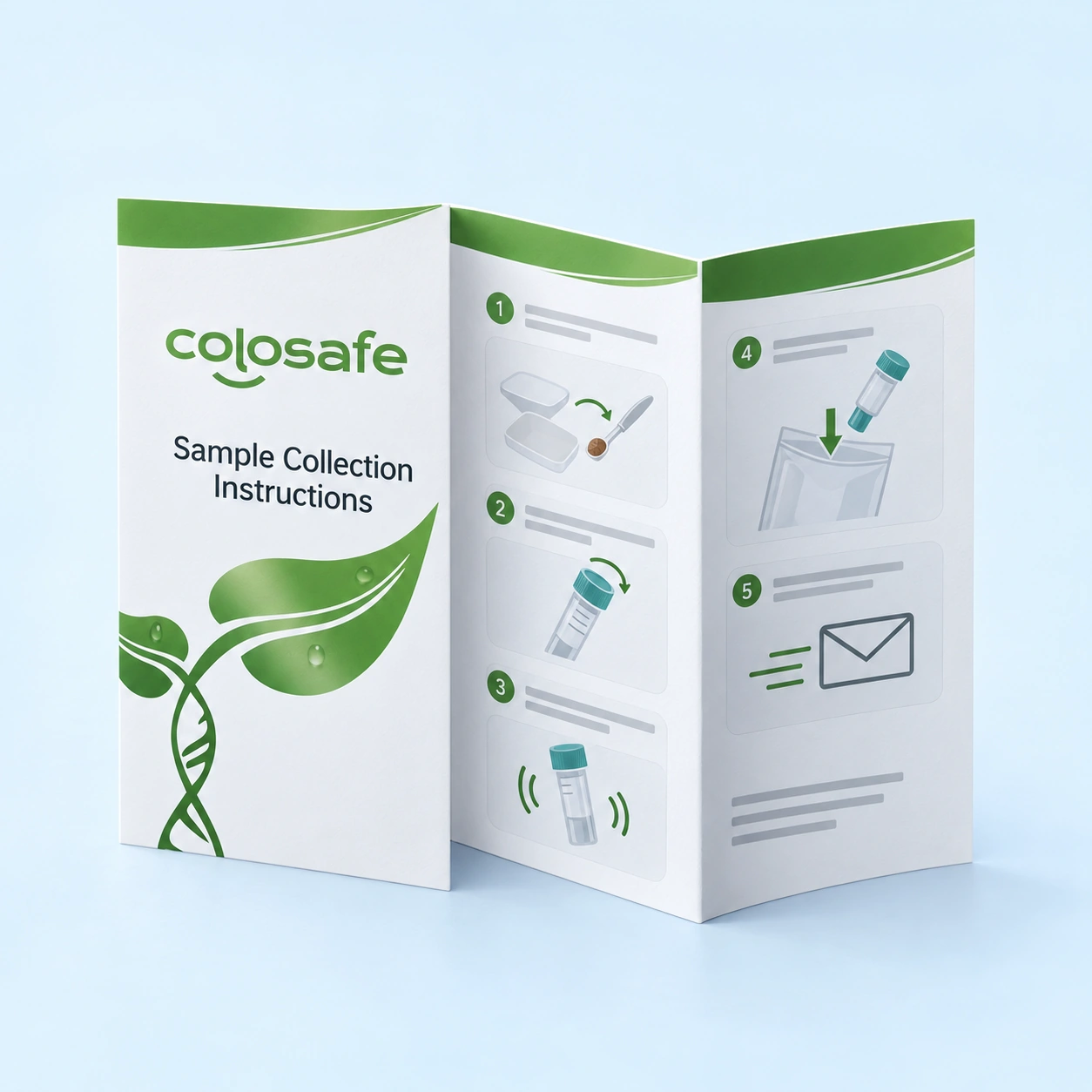
Collection instructions
Written instructions to guide you through collecting, packaging and returning your sample.
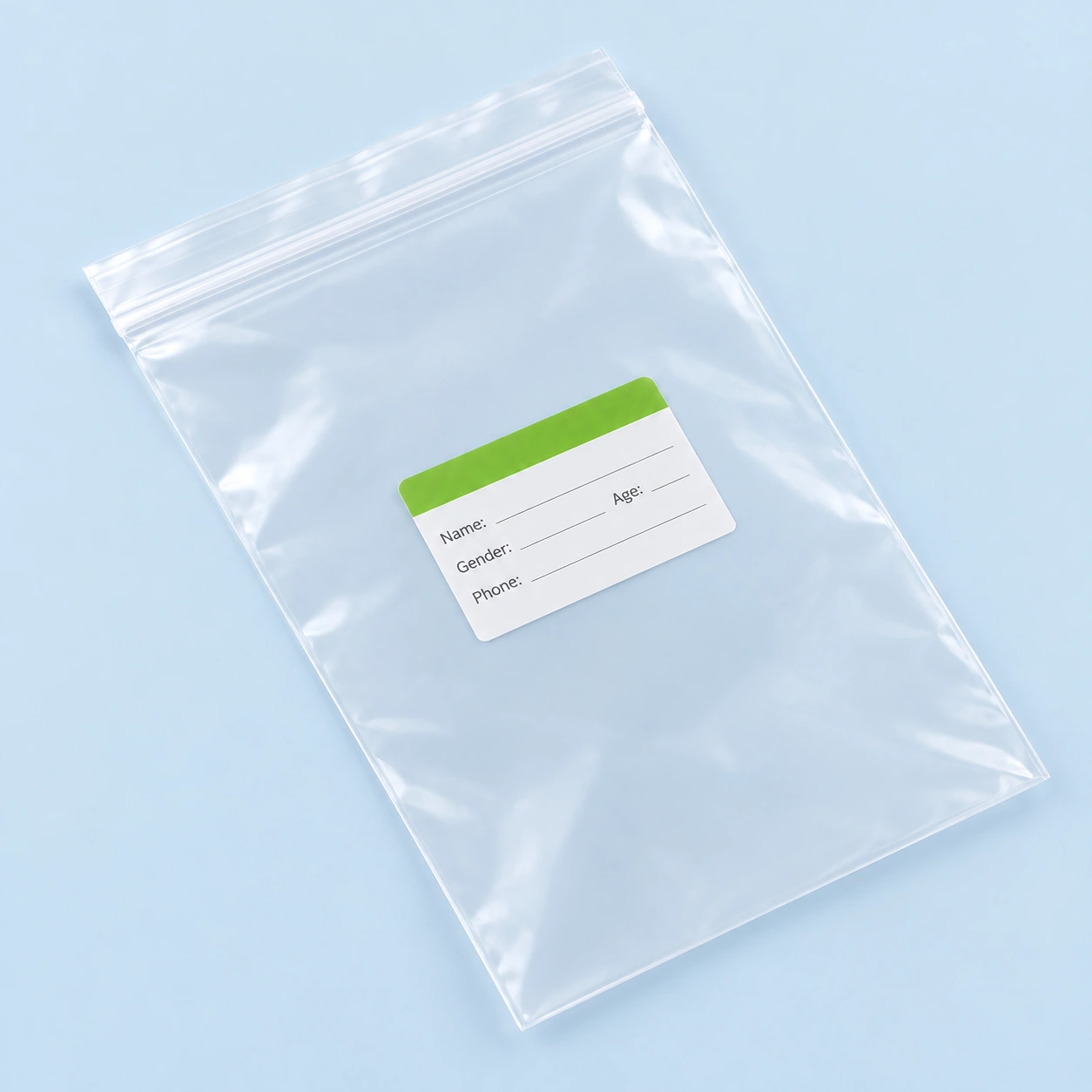
Labelled ziplock bag
A resealable bag for enclosing your sealed collection tube, with an attached sticker for your details.
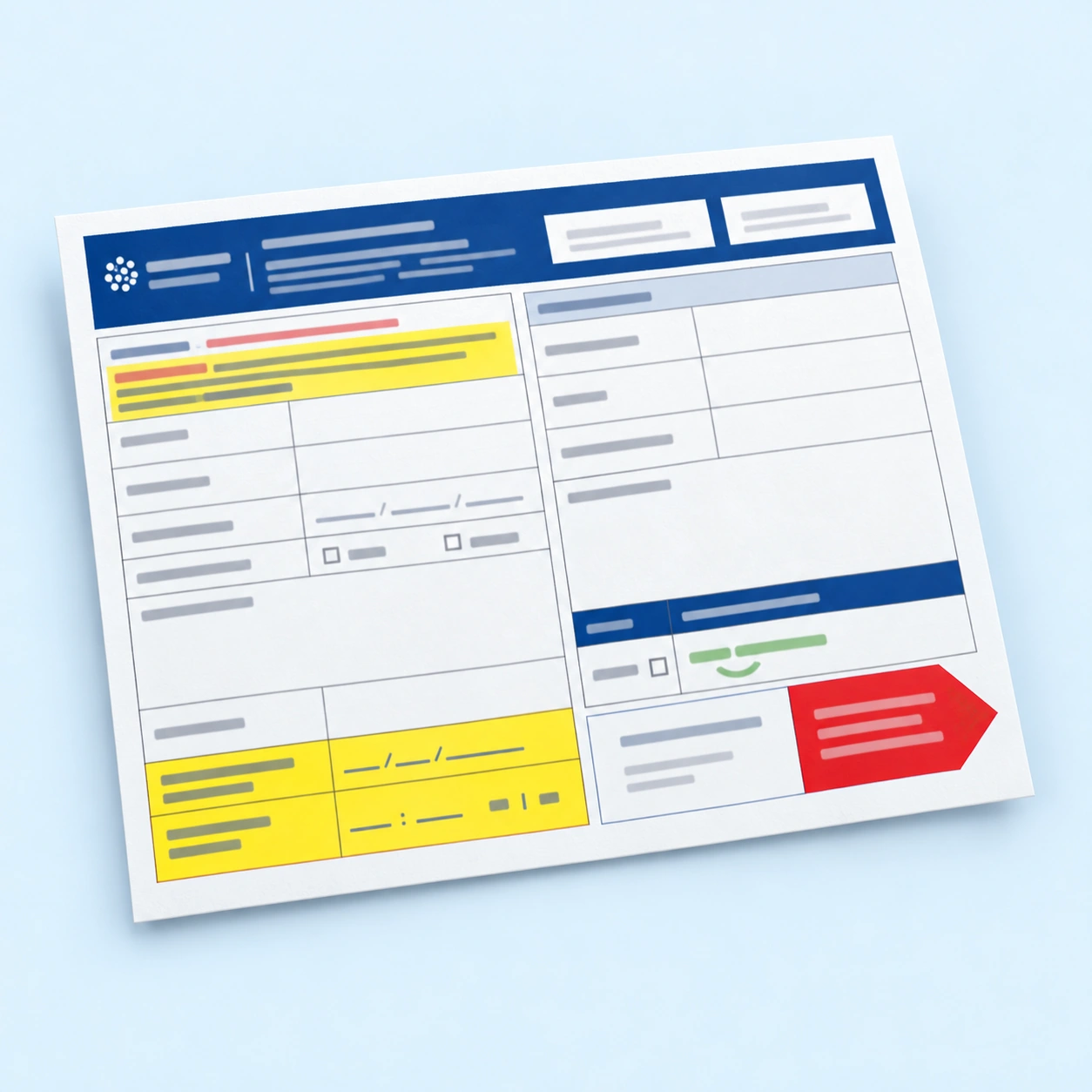
Test Request Form
Complete the required details, including the date and time of collection, and return the form with your sample.
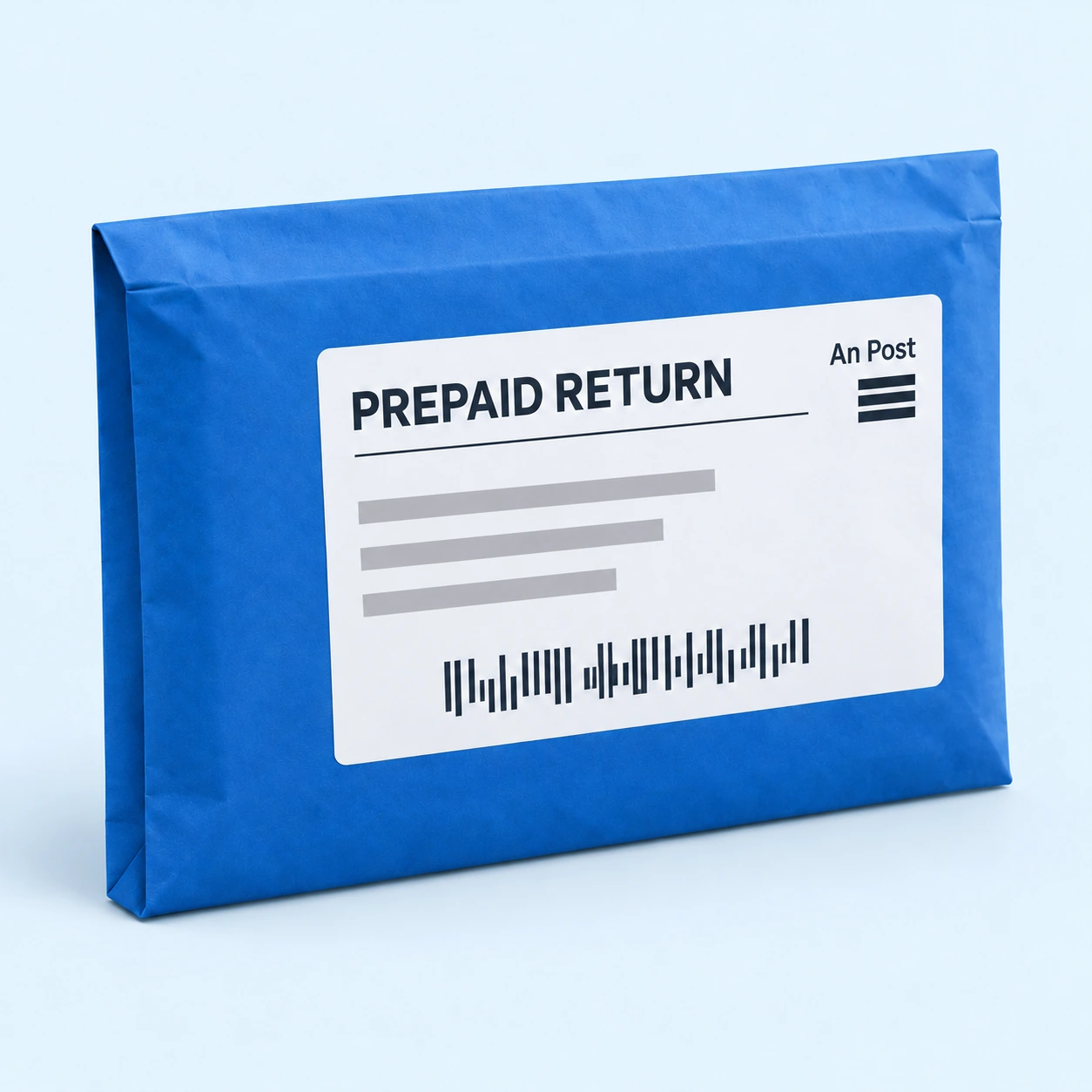
Prepaid return envelope
A blue envelope with a pre-labelled, prepaid An Post return label for posting your packaged sample to the laboratory.
Understanding the purpose of Colosafe

Colosafe is a screening test. It looks for a DNA marker associated with bowel cancer and helps identify people who may need further investigation. It does not provide a diagnosis on its own.
What does a screening test do?
- Helps identify a possible concern before symptoms develop.
- May also form part of an assessment for someone with symptoms, when recommended by their doctor.
- Indicates whether further investigation may be needed.
- A positive result is not definitive proof of bowel cancer.
What does a diagnostic investigation do?
- Investigates a finding or symptoms to establish a diagnosis.
- May be recommended after a positive screening result or when symptoms are present.
- A colonoscopy allows the bowel to be examined directly and is an example of a diagnostic investigation.
What this means for your next steps
Colosafe does not replace a colonoscopy recommended by your GP or consultant. A positive result requires follow-up investigation, while a negative result does not eliminate all risk of bowel cancer.
If you have persistent or concerning symptoms, contact your GP rather than waiting for a test result. Your GP or consultant will advise on any further investigation or treatment.
Colosafe Test Details
- Testing Age
- 18 years and above
- Referral
- No referral required
- Results
- Approximately 7–10 working days

Shipping and T&C’s
Frequently asked questions

What is Colosafe?
Colosafe is a stool DNA test that looks for a particular change, called methylation, in the Syndecan-2 (SDC2) gene. This marker is associated with bowel cancer and some precancerous polyps.
It is a screening test that helps identify people who may need further investigation. It does not provide a diagnosis on its own.
How is Colosafe different from FIT?
FIT looks for traces of blood in your stool. Colosafe looks for a DNA methylation marker, so it checks for a different signal and does not depend on a cancer or polyp bleeding.
Both use a stool sample. The most appropriate test depends on your symptoms, medical history and the advice of your GP or consultant.
How much does the Colosafe home test cost?
The Colosafe home test costs €349. You collect your sample at home using the supplied kit and return it for laboratory analysis.
Do I need to attend the clinic?
No. Colosafe is offered as a home test. Your kit includes the collection items, written instructions, a Test Request Form and a prepaid return envelope.
Do I need to fast or prepare my bowel?
No fasting or bowel preparation is required. Read the instructions supplied with your kit before collecting your sample and follow any individual advice from your healthcare professional.
What is included in the kit?
Your kit includes a sampling device, a collection tube containing sample-preservation solution, a disposable stool collection carton, clear disposable gloves, collection instructions, a labelled ziplock bag, a Test Request Form and a blue prepaid return envelope.
When should I collect and post my sample?
Collect your sample on Monday or Tuesday only and post it the same day, using the supplied pre-labelled, prepaid return envelope.
If Monday is a bank holiday, collect your sample on Tuesday and post it that same day.
Do I need to complete the return form and collection-bag label?
Yes. You must complete both the Test Request Form and the label on the collection bag. Fill in all required details, including the date and time of collection where requested.
Return the completed form with your packaged sample, following the instructions supplied with your kit.
Do I need to pay for return postage?
The supplied blue return envelope has a pre-labelled, prepaid An Post return label. Use this envelope to return your sample, following the packaging instructions supplied with your kit.
What does a positive result mean?
A positive result means methylated SDC2 DNA was detected in your sample. It does not mean you definitely have bowel cancer, but the finding needs further investigation.
Discuss your result with your GP or consultant, who can arrange a colonoscopy to investigate the finding.
What does a negative result mean?
A negative result means methylated SDC2 DNA was not detected in your sample. This is reassuring, although it cannot completely rule out bowel cancer or polyps.
Discuss any persistent or concerning symptoms with your GP, regardless of your result, and follow their advice about future testing.
What does a borderline result mean?
A borderline result means methylated SDC2 DNA was detected close to the test’s reporting threshold. Colosafe recommends repeating the test in six months.
Discuss your result with your GP or consultant, who can advise whether earlier investigation is appropriate based on your symptoms and medical history.
Does Colosafe replace a colonoscopy?
No. Colosafe does not replace a colonoscopy recommended by your GP or consultant. A positive result requires further investigation, and your doctor may recommend a colonoscopy based on your symptoms or risk factors regardless of your Colosafe result.
What if I have symptoms or a family history of bowel cancer?
Speak with your GP before choosing a test. Your symptoms, family history or previous bowel conditions may mean that a colonoscopy or another investigation is more appropriate.
If you have blood in your stool, a persistent change in bowel habits, unexplained weight loss or ongoing abdominal pain, do not delay medical advice while waiting for a kit or test result.
Should I still take part in HSE BowelScreen?
If you are eligible for HSE BowelScreen, continue to participate as recommended. Colosafe does not replace your BowelScreen invitation or any follow-up investigation arranged through the programme.
Does GastroLife provide treatment or follow-up medical advice?
GastroLife is a testing centre only. Any follow-up medical advice, investigation or treatment will be provided by your GP or consultant.


