
Looking After Your Gut Health This Christmas
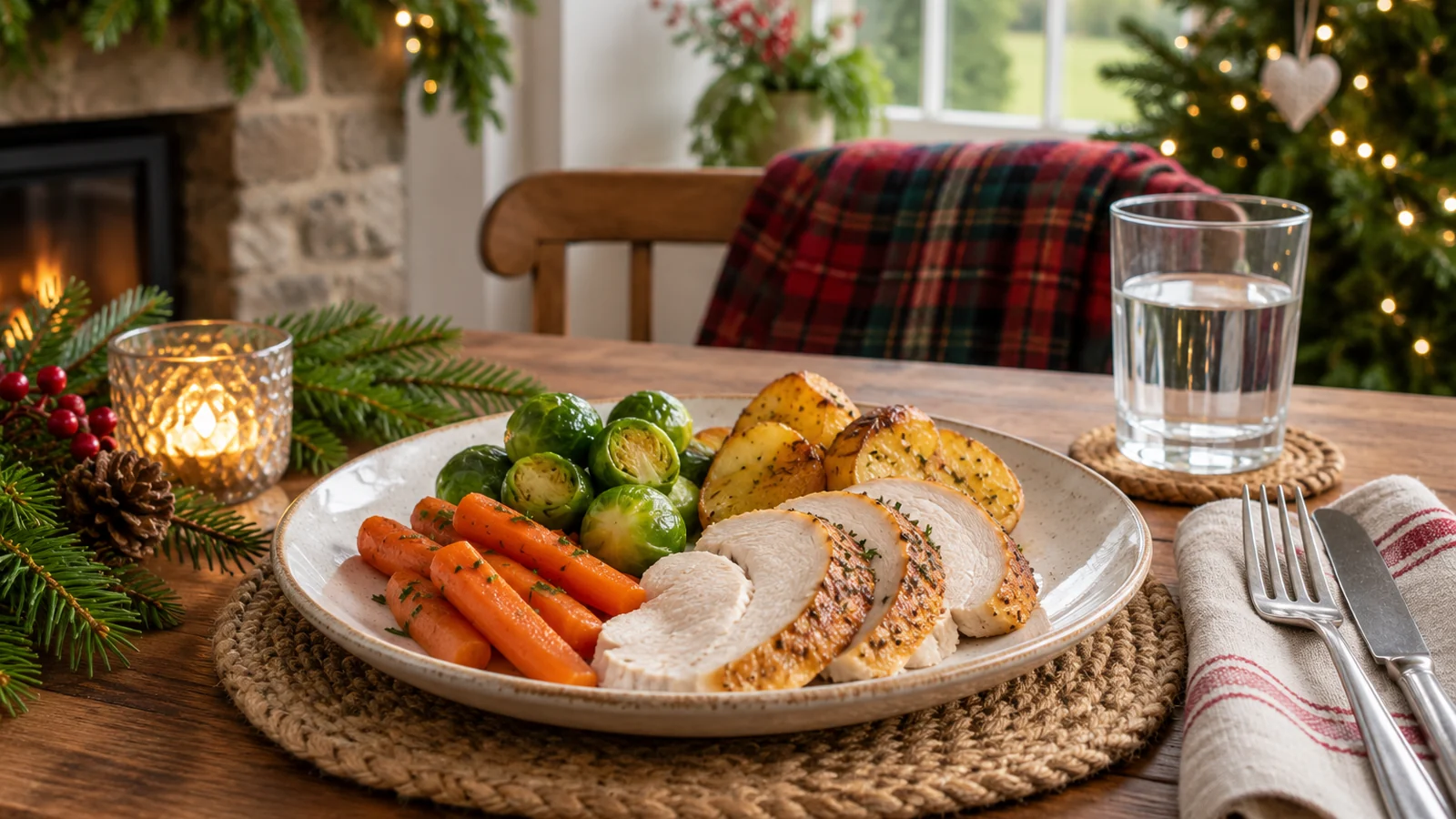
Christmas is a time to enjoy good food and spend time with family and friends. However, with larger meals, more treats than usual and a change to our daily routines, it's not uncommon to experience digestive symptoms such as bloating, heartburn and constipation over the festive period.
Looking after your gut health doesn't mean you have to miss out on your favourite Christmas foods. There are a few simple things you can do to help keep your digestive system happy while enjoying the festivities.
Take your time when eating
With all the excitement and preparations on Christmas Day, we can often find ourselves rushing our meals. Eating too quickly can lead to swallowing more air, which may contribute to bloating and discomfort.
Try to eat slowly, chew your food well and give yourself time to enjoy your meal.
It's also worth being mindful of portion sizes. Rather than having a large dinner followed immediately by dessert, why not leave a little time between the two? There's no shortage of food at Christmas, and there's always the option of going back for more later!
Try to maintain regular mealtimes where possible, rather than skipping meals in anticipation of a large dinner. [1]
If you suffer from heartburn
Heartburn and acid reflux can be particularly troublesome over Christmas. Rich and fatty foods, chocolate, alcohol and coffee can all trigger symptoms in some people.
Interestingly, peppermint, which is often used to help with digestive discomfort, can actually make reflux symptoms worse.
Everyone is different, so it's worth being aware of which foods tend to cause problems for you rather than feeling you need to avoid them all.
If you experience heartburn at night, try to avoid eating for at least three hours before going to bed. You might also find smaller meals more comfortable than one large meal. [2]
Don't forget about fibre and water
Our eating habits tend to change quite a bit over Christmas. With more sweets, chocolates and festive treats around, we may not be getting as much fibre as we normally would.
Fibre plays an important role in maintaining healthy bowel movements and also provides a food source for many of the beneficial bacteria living in our gut.
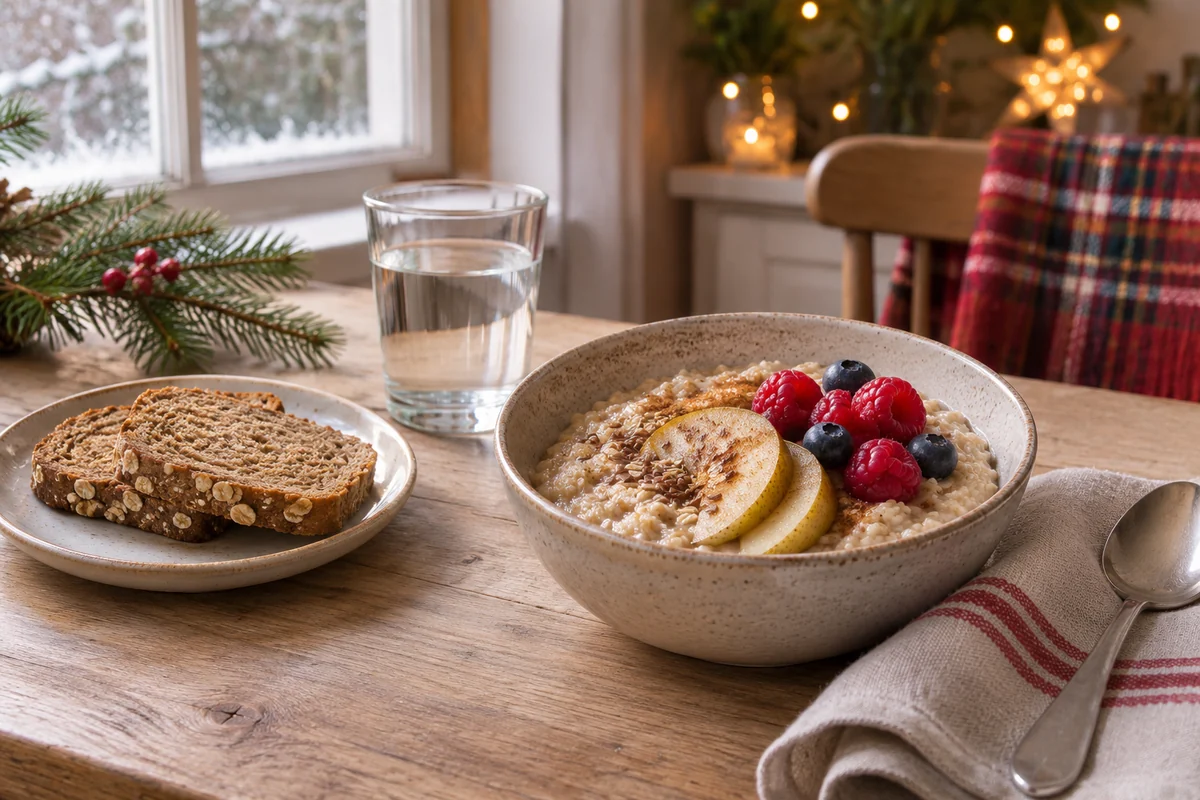
Simple things like having porridge for breakfast, including vegetables with your dinner, choosing wholemeal bread or having a piece of fruit during the day can help maintain your fibre intake.
Remember to drink plenty of water too. It's easy to forget about drinking water when we're out shopping, visiting family or busy preparing meals.
If you're increasing the amount of fibre in your diet, do so gradually, as a sudden increase can sometimes lead to additional bloating and gas. [3]
Fizzy drinks and alcohol
We often consume more fizzy drinks and alcohol over the Christmas period than we normally would.
Carbonated drinks can contribute to bloating and excessive gas. If you regularly experience these symptoms, alternating fizzy drinks with still water may help reduce some of the discomfort. [4]
Alcohol can also affect our digestive system and may contribute to symptoms such as heartburn and changes in bowel habits.
If you're drinking alcohol over Christmas, try to include some alcohol-free days and remember to drink water throughout the day. The HSE advises that the less alcohol we consume, the lower our risk of alcohol-related health problems. [5]
Get out for some fresh air
It can be tempting to spend much of Christmas Day sitting around the table or relaxing on the sofa, particularly after a big dinner.
Getting out for a short walk with family or friends is a lovely way to spend some time together. Regular physical activity can also help support normal bowel function, particularly for those who suffer from constipation.
Changes to our daily routine, travelling or staying away from home can also affect our bowel habits. Try not to ignore the urge to go to the toilet and give yourself enough time when you need to go. [6]

Remember to take some time for yourself
While Christmas is an enjoyable time of year, it can also be quite stressful. Between shopping, cooking, entertaining and looking after family, there can be a lot going on.
Our gut and brain are closely connected, which is why stress can have such an impact on our digestive system. Some people may experience constipation during stressful periods, while others may notice looser stools, abdominal discomfort or bloating.
For those living with Irritable Bowel Syndrome (IBS), changes in routine, diet and stress levels over Christmas can sometimes lead to an increase in symptoms.
Try to make a little time for yourself over the festive period, whether that's going for a walk, reading a book or simply sitting down with a cup of tea. [1]
When should you seek further advice?
While occasional digestive discomfort after a large meal is quite common, symptoms that occur regularly or persist beyond the festive period should not be ignored.
If you are experiencing ongoing bloating, abdominal discomfort, constipation, diarrhoea or changes in your bowel habits, it is worth discussing these symptoms with your GP.
Symptoms such as blood in the stool, unexplained weight loss or persistent vomiting should always be medically assessed.
If you experience sudden, severe abdominal pain or vomit blood, seek emergency medical attention. Bloating accompanied by vomiting or an inability to pass stool or wind also requires urgent medical assessment. [4]
Enjoy the festive season
Christmas is a time to enjoy ourselves, and looking after our digestive health doesn't mean giving up the foods we love.
Eating a little more slowly, keeping hydrated, getting some fresh air and maintaining some of our usual daily habits can all help support our digestive health over the festive period.
If you are experiencing ongoing digestive symptoms, GastroLife offers a range of non-invasive digestive health tests that may help support further investigation by your GP or healthcare professional.
From all of us at GastroLife, we wish you and your family a very happy and healthy Christmas!
References
- NHS – Five lifestyle tips for a healthy tummy
- NIDDK – Eating, Diet & Nutrition for Acid Reflux and GERD
- NIDDK – Eating, Diet & Nutrition for Constipation
- NHS – Bloating
- HSE – Weekly low-risk alcohol guidelines
- NHS – Constipation
This article is intended for general information purposes and does not replace individual medical advice. GastroLife is a digestive health testing centre and does not provide medical treatment.


